Why Athletic Clothes Hold Odor and How Washing Habits Play a Role
If you have ever pulled clean workout clothes out of the dryer and noticed a lingering smell, you are not imagining it. Odor retention in athletic clothing is a structural issue rooted in fabric design and everyday washing habits. It is not a sign of poor hygiene or ineffective washing. It is the result of how modern performance fabrics interact with sweat, oils, and residue over time.
Understanding this starts at the fiber level.
Why athletic fabrics behave differently than everyday clothes
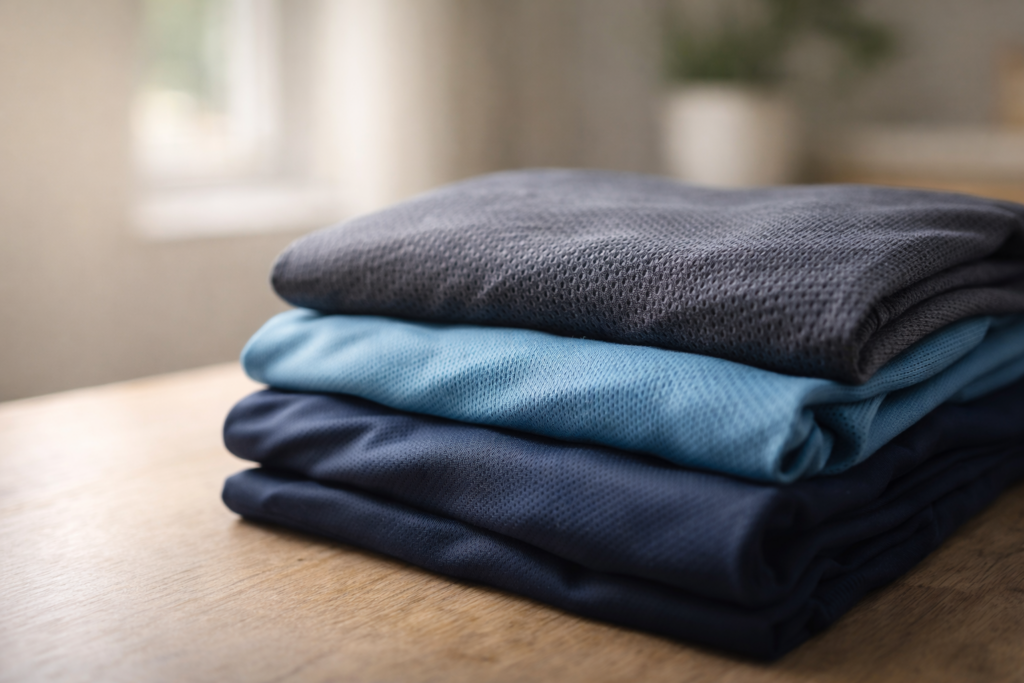
Most athletic clothing is made from synthetic fibers such as polyester, nylon, and elastane blends. These materials are engineered for stretch, durability, and moisture movement. What they are not designed for is releasing oils easily once those oils bind to the fiber.
Key properties of synthetic fibers explain why odor persists:
• Synthetic fibers are hydrophobic, meaning they repel water
• Sweat is mostly water, but it carries skin oils and personal care residues
• Oils bond readily to synthetic fibers
• Water alone struggles to penetrate the fiber surface and release those oils
Natural fibers like cotton behave differently. They absorb water more readily, which helps dislodge oils during washing. Synthetic fibers resist water penetration, so oils remain attached unless washing conditions are intentionally adjusted.
This is why polyester based workout clothes often smell worse over time even when they are washed after every use.
Why odor returns after washing
Odor that disappears during washing but reappears after drying or wearing again is caused by layered residue, not incomplete washing.
When oils are not fully removed, they remain embedded within the fabric. Detergent fragrance may temporarily mask the smell, especially while the fabric is warm. Once the garment cools or warms again against the body, trapped oils become volatile and release odor.
This happens gradually through a repeat cycle:
• Small amounts of oil remain after each wash
• Residue accumulates inside the fiber structure
• Fragrance masks but does not remove the source
• Heat and movement reactivate trapped compounds
At this stage, odor is no longer on the surface. It is built into the fabric.
How everyday washing habits contribute to odor retention
Several well intentioned laundry habits unintentionally worsen odor issues in athletic clothing.
Using too much detergent
Excess detergent increases residue. Residue attracts oils and prevents full rinsing, especially in synthetic fabrics.
Using fabric softener or scent additives
Fabric softeners coat fibers to create softness. On athletic fabrics, this coating seals in oils and reduces breathability. This is one of the fastest ways to lock odor into performance clothing.
Washing exclusively in cold water
Cold water protects elasticity but is less effective at dissolving oils. When used exclusively without other adjustments, oil buildup accelerates.
Overloading the washing machine
Crowded loads limit agitation and water flow. Athletic fabrics need movement and thorough rinsing to release residue.
Letting sweaty clothes sit damp
When damp clothing sits in a hamper, oils oxidize and bond more tightly to fibers. Once this happens, removal becomes significantly harder.
The role of the washing machine itself
Modern high efficiency machines use less water by design. While efficient, reduced water volume limits dilution and rinsing power. Over time, detergent residue and oils can accumulate inside the machine and redeposit onto clothing.
Indicators that machine conditions may be contributing include:
• Similar odors appearing across multiple loads
• Smell affecting both athletic and casual clothing
• Odor present immediately after washing
Regular machine maintenance and careful detergent use help prevent this feedback loop.
Sweat, oils, and why odor is not a sanitation issue
Odor persistence in athletic clothing is often misunderstood as a cleanliness or sanitation problem. In reality, odor formation is primarily driven by oil binding and residue accumulation.
What matters most is exposure context:
• Skin oils carry scent compounds
• Oils adhere strongly to synthetic fibers
• Residue traps those oils in place
• Odor is reactivated through heat and moisture
Escalating to harsh washing practices does not address the root cause and often damages fabrics while increasing skin irritation risk.
Habit changes that support long term odor control
Effective odor management focuses on residue reduction and proper rinsing rather than intensity.
Helpful adjustments include:
• Using the lowest effective detergent amount
• Avoiding fabric softeners on athletic wear
• Washing performance fabrics separately
• Using warm water periodically when care labels allow
• Avoiding washer overload
• Washing promptly or allowing sweaty items to fully dry before laundering
These changes support oil release without compromising fabric structure.
What to evaluate when choosing laundry products for athletic wear
Laundry products should be evaluated based on how they interact with fabric systems, not scent strength or marketing claims.
Consider whether a product:
• Rinses clean without heavy coating
• Avoids unnecessary fillers that leave residue
• Performs effectively at low concentrations
• Does not rely on fragrance to signal cleanliness
Products that prioritize clean rinsing and residue control better support long term fabric performance.
Setting realistic expectations
Some garments reach a point where fibers are saturated from years of oil and residue exposure. At that stage, persistent odor reflects fabric lifespan rather than washing failure.
Clean laundry is not about sterilization or perfection. It is about alignment between fabric design, washing mechanics, and real world use. When those systems are understood and respected, odor stops being mysterious and becomes manageable.