What Sodium Carbonate Does in Laundry and Where Its Limits Are
Sodium carbonate, often called washing soda, is one of those ingredients that shows up in laundry conversations a lot—but usually without much explanation. It’s sometimes described as “strong,” sometimes confused with baking soda, and sometimes treated as a cure-all for cleaning. In reality, it’s none of those things. It’s useful, specific, and limited—and understanding those limits is just as important as understanding what it does well.
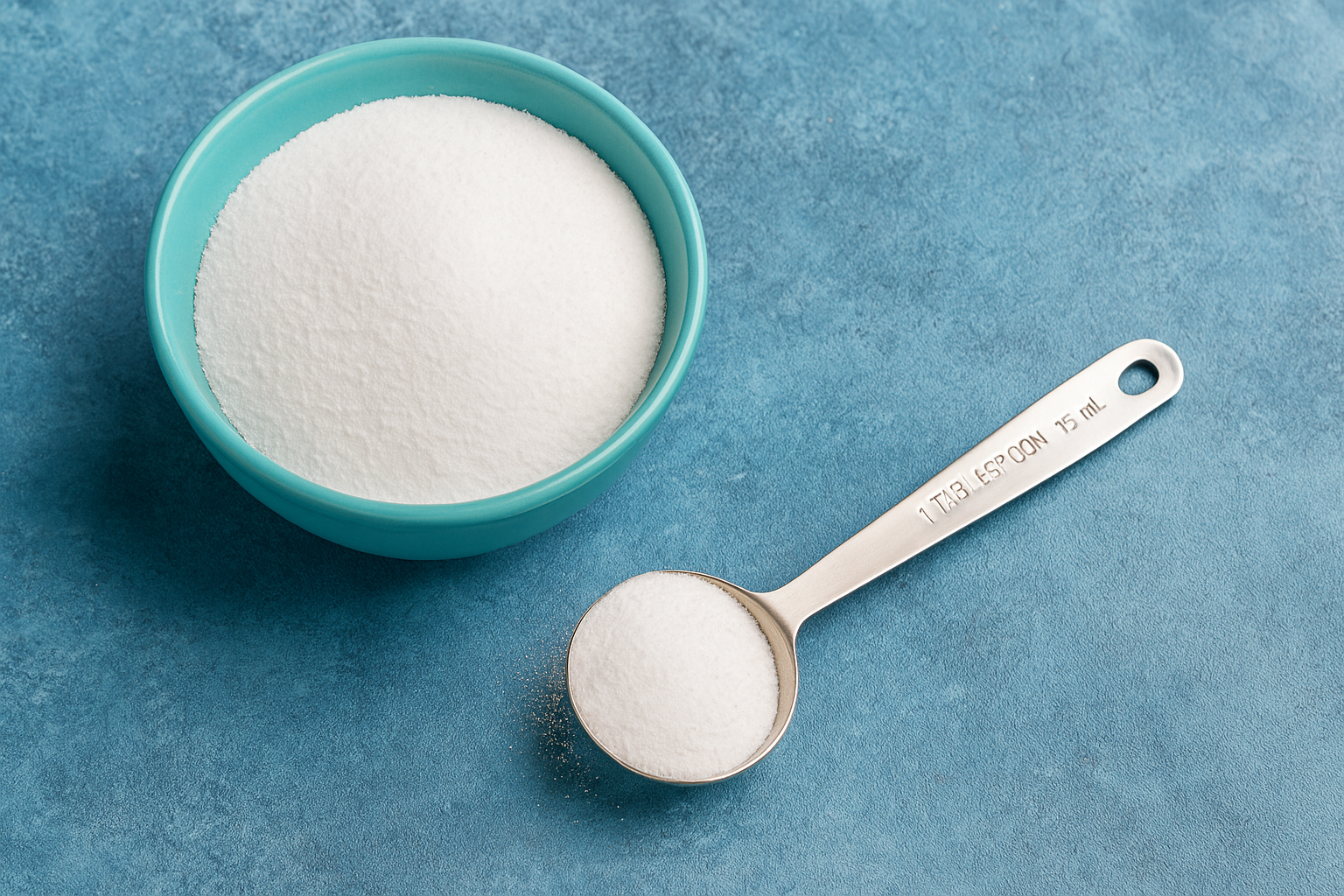
What sodium carbonate actually is
Sodium carbonate is a naturally occurring mineral salt that’s been used for cleaning for well over a century. In the U.S., it’s most commonly referred to as washing soda, which is where some of the confusion starts. Despite the similar names, washing soda and baking soda are not interchangeable. Baking soda is sodium bicarbonate, a much milder compound with a different pH and a different role in cleaning.
Sodium carbonate is more alkaline than baking soda. That higher alkalinity is the reason it behaves differently in laundry—and also why it needs to be used thoughtfully.
How sodium carbonate works in laundry
Sodium carbonate doesn’t “clean” clothes in the way surfactants do. It doesn’t surround dirt and lift it away on its own. Instead, it works behind the scenes by changing the water chemistry inside the wash.
Hard water contains minerals like calcium and magnesium. Those minerals can interfere with detergent performance, making it harder for cleaning agents to do their job. Sodium carbonate binds to those minerals, softening the water. When the water is softer, detergents can work more efficiently, and soils release more easily from fabric.
This is why sodium carbonate is commonly used as a supporting ingredient in laundry formulas rather than a standalone cleaner.
What it helps with—and what it doesn’t
In practical terms, sodium carbonate can help with:
- Improving detergent performance in hard water
- Loosening greasy or oily soils
- Reducing buildup that comes from mineral-heavy wash water
What it does not do is just as important:
- It does not disinfect laundry
- It does not sanitize fabrics
- It does not replace detergent
- It does not work equally well on all fabrics
Using sodium carbonate alone, without a detergent system designed to rinse properly, often leads to residue rather than cleaner clothes. That residue can make fabrics feel stiff and can trap odors instead of removing them.
Why it’s often confused with other laundry additives
Because sodium carbonate is alkaline, it’s frequently lumped in with other laundry boosters or oxygen-based cleaners. But not all powdered cleaners are the same. Some products rely on oxygen release, some rely on surfactants, and some—like sodium carbonate—work primarily by adjusting water conditions.
It’s also sometimes confused with borax. While both are alkaline mineral salts and have overlapping uses, they are chemically different substances with different behaviors and regulatory considerations.
Understanding these distinctions helps prevent overuse and misuse, which is where most problems start.
Safety and fabric considerations
Sodium carbonate is considered safe for household cleaning when used as intended, but “safe” doesn’t mean “gentle.” Its alkalinity can be harsh on:
- Delicate fabrics
- Wool and silk
- Certain dyes and finishes
It’s also not something that should be mixed casually with acidic substances. Combining alkaline salts with acids simply neutralizes both, reducing effectiveness and sometimes creating unnecessary residue without any added benefit.
This is why more isn’t better—and why intentional formulation matters.
Why it shows up in detergent ingredients
When sodium carbonate is included in a detergent formula, it’s there for a reason. It plays a support role, not a starring one. In a balanced formulation, it helps create conditions where other ingredients can do their job more effectively, while still rinsing clean.
That balance is what separates thoughtful laundry products from DIY experiments that sound good in theory but don’t hold up in real washing machines.
The takeaway
Sodium carbonate is neither a miracle ingredient nor something to avoid entirely. It’s a functional, old-school laundry component that does one main job well: helping detergents work better in the right conditions.
Understanding where it helps—and where it doesn’t—leads to better laundry outcomes, fewer residue issues, and more realistic expectations. And in laundry, realistic expectations are often what make the biggest difference.
References
- National Center for Biotechnology Information (NCBI).
Sodium Carbonate – Compound Summary. PubChem.
https://pubchem.ncbi.nlm.nih.gov/compound/Sodium-carbonate - U.S. Environmental Protection Agency (EPA).
Safer Choice: How Cleaning Ingredients Work.
https://www.epa.gov/saferchoice - Centers for Disease Control and Prevention (CDC).
Cleaning, Sanitizing, and Disinfecting.
https://www.cdc.gov/hygiene/cleaning/index.html - European Chemicals Agency (ECHA).
Sodium Carbonate – Substance Information.
https://echa.europa.eu/substance-information/-/substanceinfo/100.028.779 - American Cleaning Institute (ACI).
Laundry Detergent Ingredients & Water Hardness Education.
https://www.cleaninginstitute.org - U.S. Geological Survey (USGS).
Water Hardness and Minerals in Water.
https://www.usgs.gov/special-topics/water-science-school/science/hardness-water - Chemistry LibreTexts.
Alkalinity, pH, and Cleaning Chemistry.
https://chem.libretexts.org - Occupational Safety Data Sheets (SDS).
Sodium Carbonate – General Handling and Safety Information.
(Multiple manufacturers; referenced for general safety context.)